The Natural Claim Does Not Explain the Whole Product
The natural claim on food labels is a narrow clue, not a full account: learn what to check next for ingredients, processing details and your own needs.
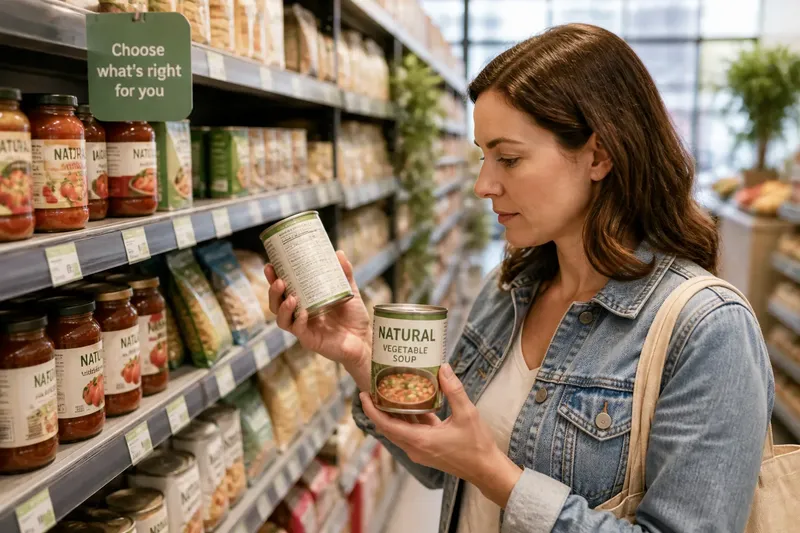
You pick up a jar of salsa because the front says “natural,” then turn it around to find tomatoes, salt, a date, and several details the front left out. The natural claim on a food label can describe a limited aspect of a product, but it does not explain the whole product or tell you whether it suits your needs.
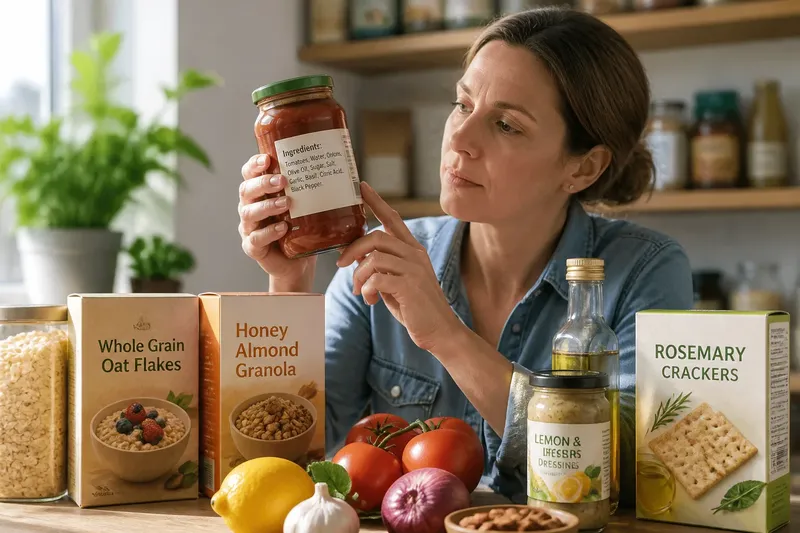
The front label gives you a claim, not a recipe
“Natural” is prominent because it is easy to see. It is also broad enough to leave practical questions unanswered: Which ingredients are present? How was the food processed? Does it contain something you avoid? The word alone does not resolve those questions.
Rules for using the term can differ by food and jurisdiction. Where a definition matters, check the relevant local regulator’s guidance or ask the manufacturer what its claim means. On the shelf, treat the front as a starting point rather than a complete description.
Turn the package around before deciding what the claim tells you.
Ingredients and product details answer different questions
The ingredient list identifies what the manufacturer lists as ingredients; the nutrition panel describes selected nutritional information. Neither is a general certificate of simplicity, origin, or suitability. A short ingredient list may still include an ingredient you need to avoid, while a longer one may explain a familiar prepared food.
Use the detail that matches the question you have:
- For a food allergy or intolerance, check the ingredient and allergen information, including any precautionary statements relevant to your situation.
- For a dietary preference, look for specific ingredients and clear claims such as “plant-based,” while checking what those terms mean on that package.
- For nutritional needs, compare the nutrition panel and serving information rather than inferring nutrient content from “natural.”
- For concerns about additives, look for their names in the ingredients and consult reliable guidance if a particular additive is the issue.
Say you are choosing a soup and want to avoid dairy. The front says “natural,” but the ingredients list includes cream. The useful decision is to set that can aside and check another product’s ingredient and allergen information; the front claim does not cancel what the list says.
Processing words describe particular actions
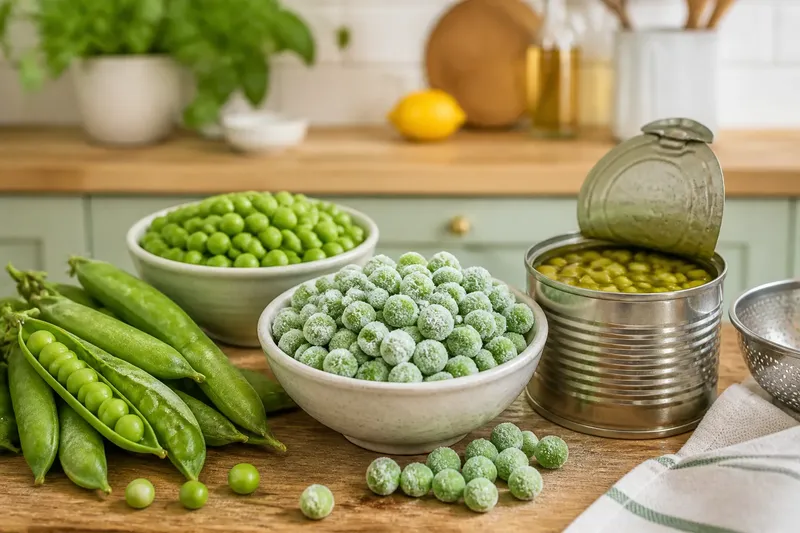
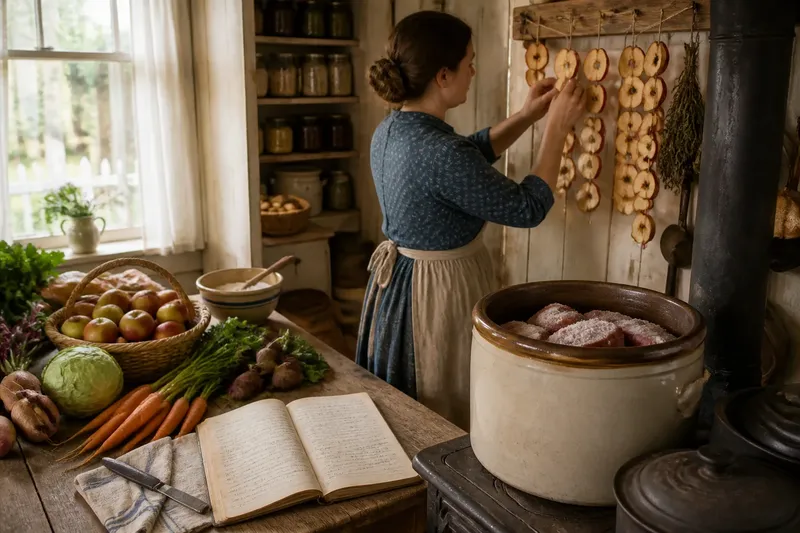
Food descriptions may mention roasting, fermenting, drying, milling, pasteurizing, or concentrating. These terms identify a process or form, not a verdict about the whole food. “Roasted” tells you something about how an ingredient was prepared; it does not explain every ingredient in the finished product.
Likewise, “minimally processed” is not a complete ingredient or nutrition statement. A food can be processed in several ways and still require a closer look at its package. If the process itself matters to your choice, search for a specific description of that process or contact the maker rather than asking the word “natural” to do the work.
Prefer a named process over a broad impression when process is the question.
Origin and sourcing need their own evidence
“Natural” does not, by itself, tell you where ingredients were grown, how animals were raised, or what farming practices were used. Look for explicit origin statements, certification marks, or sourcing details that address the concern you actually have. A certification is meaningful only within the scope of its published standard; it is not a description of every aspect of a product.
If a package names a place, check what the statement refers to. It may describe where the food was made, where one ingredient came from, or the origin of the main ingredient. These are not interchangeable claims, even when the front panel makes them look like one tidy story.
What should you check after seeing “natural”?
Does “natural” mean the food is unprocessed?
No. The term alone does not tell you which processing steps were used. Look for a specific process description or contact the manufacturer if that detail affects your decision.
Does “natural” mean the food has no additives?
Not necessarily. Read the ingredient list for the additives or ingredients you are concerned about, and check the applicable labeling guidance if the meaning of a claim is unclear.
Can “natural” tell me whether a food is healthy?
No single front-of-package word can answer that for every person or eating pattern. Use the nutrition panel, ingredients, and any relevant professional advice to assess the product against your own needs.
What if the package does not explain the claim?
Look for a manufacturer contact or a more specific statement elsewhere on the package. If the missing detail is essential to your choice, choose a product that provides it clearly.
Let the label answer the question you actually have
At the shelf, name the decision before reading the claim: avoiding an ingredient, comparing nutrition, checking origin, or understanding a process. Then go to the part of the label most likely to answer it. This keeps a broad word from quietly standing in for several different kinds of information.
The natural claim on a food label may still be useful as a clue to what the maker wants you to notice. Keep it in that modest role, and use the ingredients, specific product descriptions, and relevant sourcing details to make the decision that matters to you.