Fresh, Frozen or Canned Peas: What Changes?
Fresh, frozen or canned peas differ in handling, storage and texture. Match each form to the meal you plan, then shop and cook with less guesswork.
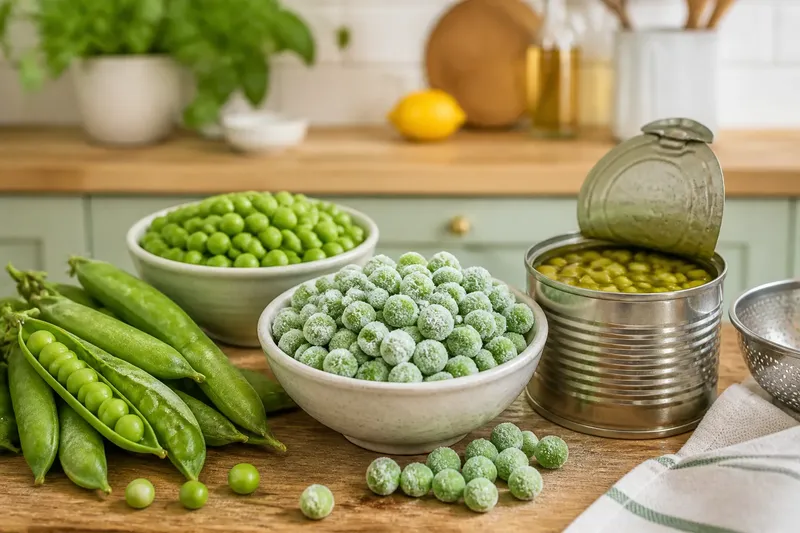
Fresh, frozen or canned peas can sit side by side on a shopping list, but they behave differently once the meal starts. Fresh peas ask for timely handling, frozen peas wait in the freezer, and canned peas arrive cooked and ready to use. The right choice depends less on a general ranking than on whether your dish needs a crisp bite, a quick addition or a dependable pantry ingredient.
What changes between fresh, frozen and canned peas?
The main differences are how much handling remains, where the peas are stored and how much cooking they need. Fresh peas are sold in pods or already shelled and are usually kept refrigerated. Frozen peas are shelled, blanched, then stored frozen; they need little preparation and are generally heated briefly. Canned peas are cooked during processing and stored in liquid in a sealed container, so they can be drained and added with minimal cooking.
Those differences affect texture as well as convenience. Fresh peas can have a firm, distinct bite when they are in good condition and cooked briefly. Frozen peas tend to be soft but still hold their shape when heated gently. Canned peas are usually softer, which suits soups, stews and other dishes where a tender texture fits.
The word “fresh” describes the form, not a promise about how recently the peas were picked or how they will taste. Look at the pods or shelled peas, check the package condition and consider how soon you can use them.
Which pea form works best for the meal?
Choose by the job the peas need to do rather than by habit. For a dish where their individual shape and bite are prominent, fresh or frozen peas are often a better fit than canned. For a quick soup, pantry pasta or stew, canned peas can be convenient because they are already cooked and tender.
- For a crisp, bright side: Use fresh peas when they are in good condition, or frozen peas heated just until tender. Add them near the end of cooking.
- For a fast weeknight meal: Frozen peas can go from freezer to pan or pot without thawing first in many recipes. Stir them in late so they warm through without becoming overly soft.
- For soup or stew: Canned peas are an easy fit when a soft texture is welcome. Drain them if the recipe calls for peas without canning liquid, and add them toward the end so they do not cook longer than needed.
- For a salad or cold dish: Fresh or frozen peas can provide a firmer bite. If using frozen peas, thaw and drain them as the recipe requires; canned peas may be too soft for a salad meant to stay crisp.
Say you are making a quick pasta with lemon and herbs, and the only peas in the freezer are frozen. Stir them into the boiling pasta near the end of its cooking time, then drain everything together if the recipe allows. The peas should be warm and tender while retaining more shape than they would after a long simmer.
How should each kind of peas be handled and stored?
Fresh peas need the most attention after purchase. Keep them refrigerated and use them while the pods or shelled peas still look sound; pods that are limp, dried out or discolored are less appealing. If you buy peas in pods, account for the time it takes to shell them. Shelled peas save that work, though their condition still matters.
Frozen peas belong in the freezer until needed. Take out only what the recipe calls for and return the rest promptly, keeping the package closed to limit exposure to air and freezer odors. Many recipes allow frozen peas to be added straight from the freezer, but follow the recipe if it calls for thawing or draining.
Store unopened canned peas in a cool, dry cupboard. Once opened, transfer any unused peas and liquid to a covered food-safe container and refrigerate; use them according to the product’s storage directions. Do not rely on a dented, leaking or swollen can as though the contents were ordinary pantry stock.
For any product, follow its label and the manufacturer’s storage instructions where they differ. Keep the form that suits your usual cooking close at hand, and store it in the place its package calls for.
Do canned peas need rinsing?
Usually, drain canned peas before using them if the recipe calls for peas alone. Rinsing can remove some of the packing liquid and its flavor, which may be useful for a salad or a dish with a delicate sauce. If the liquid belongs in a soup or stew, check the recipe before discarding it.
Can frozen peas be added without thawing?
Often, yes. Add them directly to a hot dish near the end of cooking so they warm through without spending too long in the pan. Thawing first can be useful for cold dishes or recipes that depend on avoiding extra moisture.
Are fresh peas always firmer than frozen peas?
No. Fresh peas vary with their condition and how they have been handled, while frozen peas can retain a good shape when cooked briefly. For a firmer result, avoid prolonged cooking and choose peas that look intact in the package or pod.
Which form is easiest to keep on hand?
Frozen and canned peas are both convenient, but in different ways. Frozen peas need freezer space and offer a quick ingredient for cooking; canned peas can wait in a cupboard and are ready to eat once opened. Fresh peas suit a meal planned around using them soon.
How can the label help you choose?
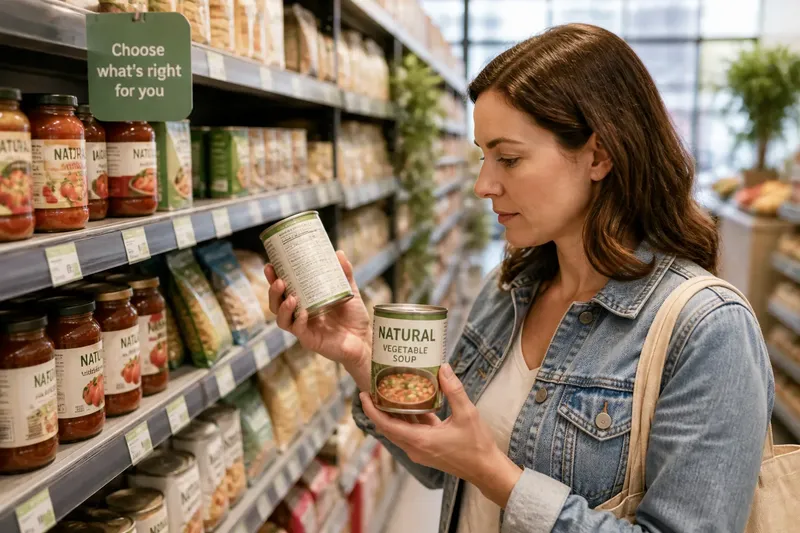
Check the product description and ingredient list for details relevant to the meal, including whether peas are shelled, packed in liquid or seasoned. A can labeled “peas” may also contain salt or other ingredients; a frozen product may be plain or prepared with additions. Compare the package with the recipe rather than assuming every product in the same form is identical.
For fresh peas, the useful clues are often visible rather than printed: inspect the pods or shelled peas and consider whether the quantity of preparation suits your schedule. For frozen peas, check whether the package is plain or part of a seasoned mixture. For canned peas, decide whether you want the packing liquid available for the dish or expect to drain it.
Fresh, frozen or canned peas can each make sense for a different meal. Fresh peas bring a hands-on ingredient, frozen peas offer a quick cooking option, and canned peas provide a soft, ready-to-use pantry choice. If the recipe depends on a distinct bite, lean toward fresh or frozen; if it welcomes tenderness and speed, canned may fit better. Keep the texture you want in mind, then choose the form you can store and use comfortably.